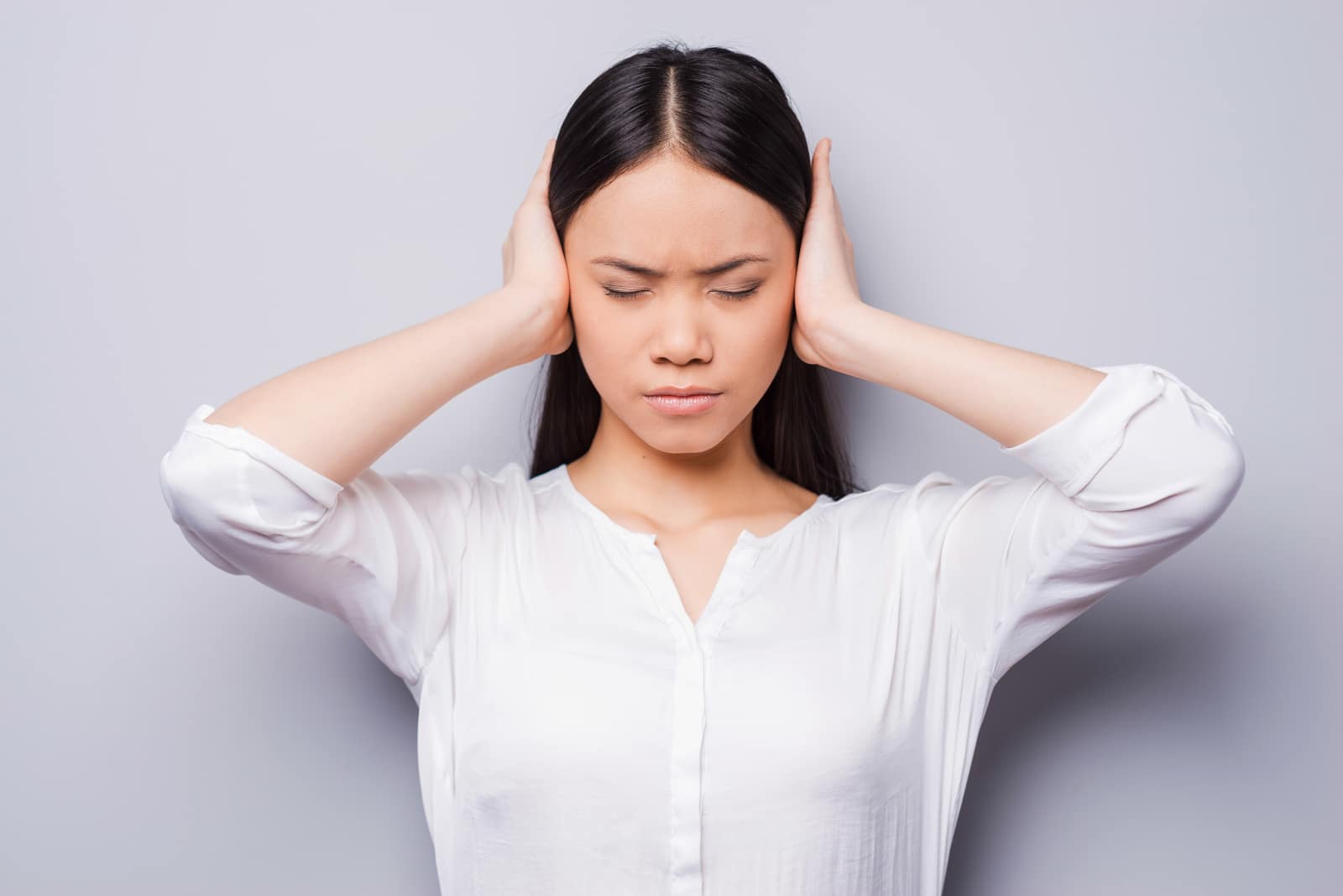
What Causes Tinnitus?
Tinnitus can arise from a range of factors. The most common cause is age-related hearing loss, where gradual changes in hearing sensitivity may trigger the perception of sound. Long-term exposure to loud noise can also contribute, as can ear infections, wax build-up or certain medical conditions.
Stress and fatigue may make tinnitus feel more noticeable, particularly in quiet surroundings. For many people, symptoms fluctuate depending on lifestyle factors and overall health.
During your tinnitus assessment, we explore potential contributing factors and discuss how they may be influencing your symptoms. Understanding these connections is an important step towards effective tinnitus management.
Your Tinnitus Assessment
A detailed tinnitus assessment helps us understand how your symptoms are affecting you. We begin with a conversation about when the sounds started, how often they occur and whether they impact sleep, concentration or daily activities.
This is followed by tinnitus testing and a comprehensive hearing assessment. Identifying any underlying hearing loss is important, as this can influence treatment recommendations. In some cases, simple changes in hearing support can reduce tinnitus awareness significantly.
We take time to explain your results clearly and outline practical next steps. Our aim is to provide reassurance and a structured plan, helping you feel more in control of your symptoms.
Tinnitus Treatment and Management Options
There is no single cure for tinnitus, but there are effective tinnitus treatment options designed to reduce its impact and improve quality of life.
Tinnitus management may include sound therapy, which introduces gentle background noise to reduce the contrast between tinnitus and silence. For patients with hearing loss, hearing aids can often reduce tinnitus awareness by improving overall sound input. Education and reassurance also play an important role, helping you understand the condition and reduce anxiety around symptoms.
In some cases, lifestyle adjustments such as improving sleep routines, managing stress or reducing caffeine intake may be recommended. Tinnitus therapy focuses on gradual improvement rather than instant results, supporting long-term comfort and confidence.
With professional tinnitus treatment and ongoing guidance, many people find their symptoms become less intrusive and easier to manage over time.