
Summer brings some specific challenges for hearing aid wearers, most of which are easy to manage once you know what to watch for. Here is my practical guide to keeping your devices in good shape through the warmer months.
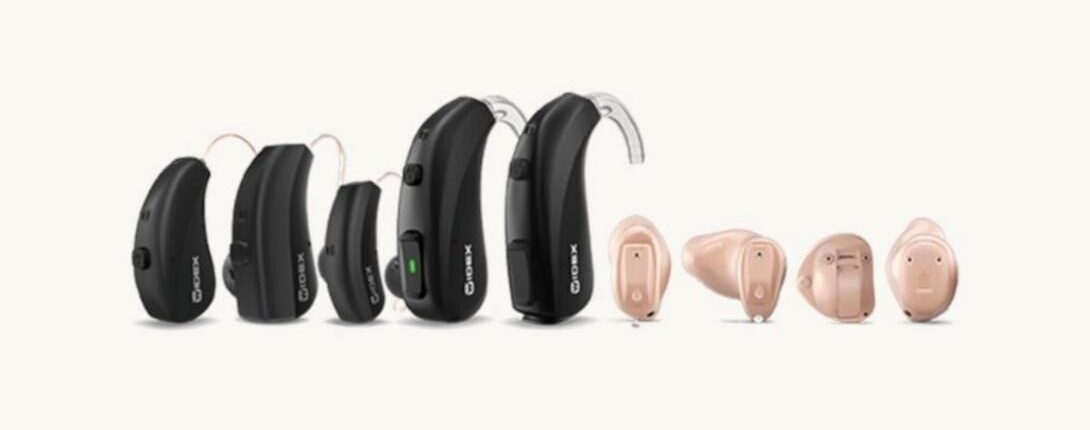
(Image: Widex Hearing Aids available at Meadows & Wood)
How robust are modern hearing aids?
More robust than many people expect. Modern behind-the-ear and receiver-in-canal hearing aids from the leading manufacturers now carry an IP68 rating, which is the top of the international scale for dust and moisture protection. Tested to withstand submersion in clean water to one metre depth, these devices are built for active daily life.
The leading manufacturers go further than the standard requires. Prescription hearing aids are subjected to saline mist testing over 28 days and must come out fully functional. That is a meaningful test of real-world durability, far beyond what a walk in the rain or a sweaty afternoon in the garden represents. One of my patients came back from holiday having accidentally jumped into the pool with his hearing aids in. He was braced for the worst. They worked perfectly. He was surprised; I was not.
Where IP68 has limits
IP68 is tested in clean, still, fresh water. It does not account for sea water, which is corrosive and works its way into components over time. It does not account for dynamic wave pressure, or the chemical properties of sunscreen, hairspray and other products we use every day. The rating is reassuring, but it is not a green light for swimming.
Remove your hearing aids before entering any body of water. After a day near the coast, a gentle wipe down with a dry cloth before storing your devices overnight is a good habit worth forming.
Before you go out
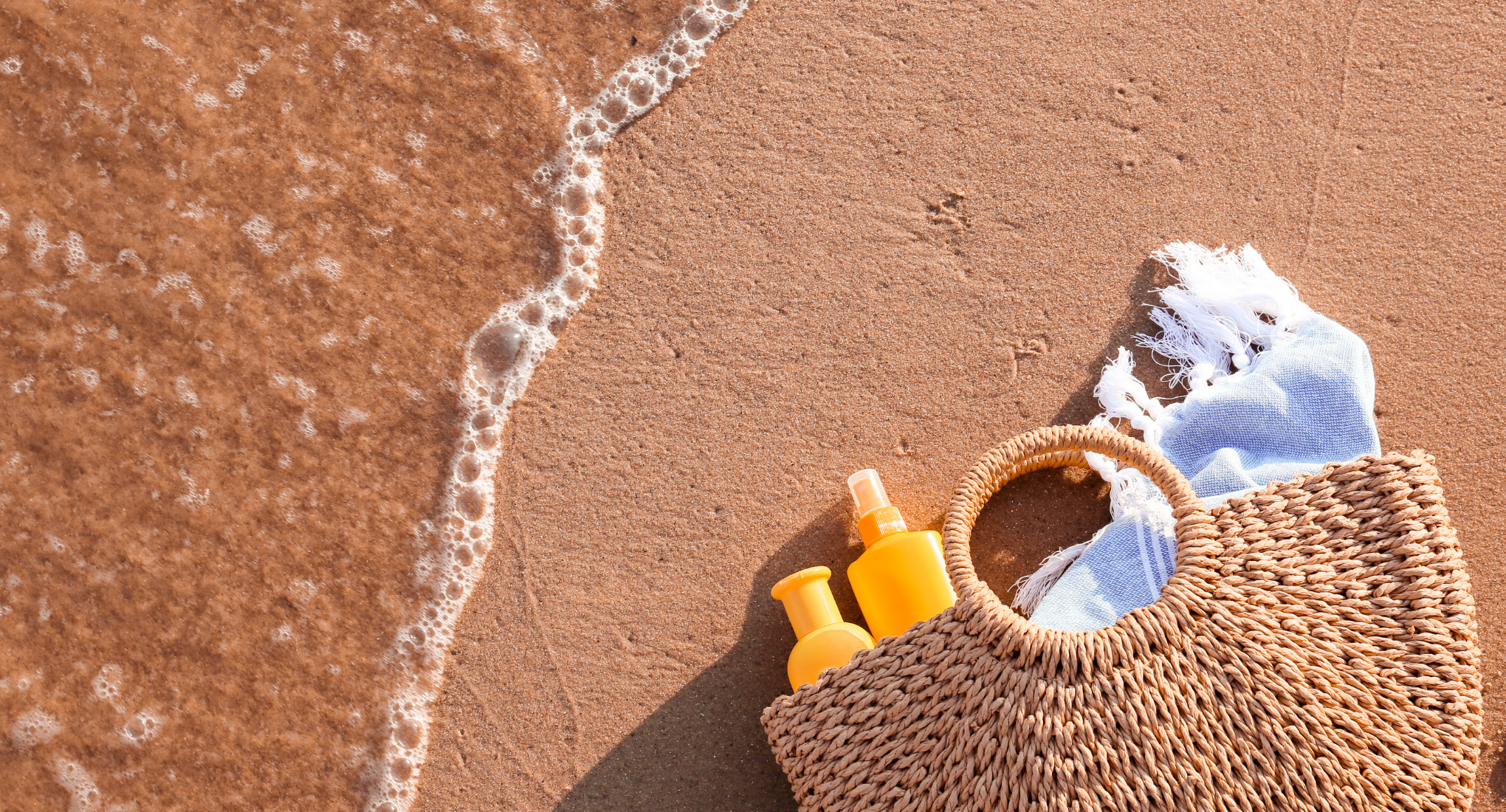
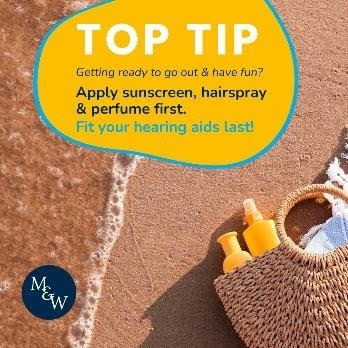
One of the simplest rules I give patients is this: hearing aids go in last. Hairspray, perfume and sunscreen all send fine droplets into the air, and the microphone ports on hearing aids are remarkably good at catching them. Aerosol hairspray is particularly problematic because the spray lingers. Perfume is less obvious but the alcohol and oils in many fragrances can affect the casing seals over time. Apply everything first, let it settle, then fit your hearing aids. It takes an extra two minutes and saves a lot of problems.
Heat, storage and staying active
A car in summer can reach temperatures that damage both batteries and internal components. The same applies to a windowsill in direct sunlight. Store your devices in their case, in a cool dry place, whenever they are not in use. Active wearers sometimes find solutions without realising it. One of my patients is a marathon runner. He wears a sweatband during races, which he assumed was just keeping the sweat out of his eyes. It turns out it was doing the same job for his hearing aids. If you are regularly active in warm weather, a hearing aid sweatband or sleeve is worth considering.
A word about in-canal hearing aids
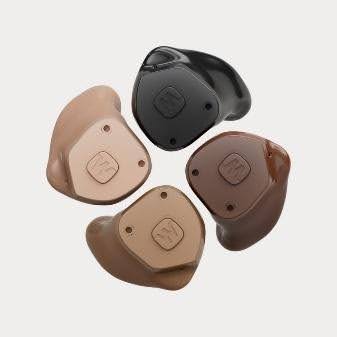
Patients wearing in-canal styles, including completely-in-canal and invisible-in-canal models, need to be particularly attentive in summer. These devices sit in the warmest, most humid part of the ear, and unlike behind-the-ear models they cannot carry the same moisture resistance ratings. Their smaller casings are more vulnerable to the combined effects of heat, humidity and earwax, which summer tends to increase. If you wear an in-canal device, a routine clean and check every three to four months is the baseline recommendation. I would also suggest coming in before and after the summer if you are planning to be active outdoors. A small build-up of earwax or moisture is straightforward to address when caught early. Left unattended it can affect sound quality significantly. In-canal hearing aids remain a genuinely excellent option, offering discretion that other styles cannot match, and the technology continues to advance. Summer is simply when their care routine matters most.
Swimming and earwax
Whatever style you wear, remove hearing aids before entering any water. It is also worth knowing that regular swimming can contribute to earwax build-up regardless of whether you wear hearing aids, as water affects the ear canal’s natural self-cleaning mechanism. If your hearing feels blocked or muffled by the end of the summer, earwax removal is usually the straightforward answer.
Book a check before you travel
A quick appointment before you go away is time well spent. We can check your devices are functioning properly, clean the ports, address any earwax concerns, and make sure you know what to do if something goes wrong while you are away. For patients with in-canal devices particularly, a pre-holiday check is a good idea. We have clinics at Worle, Weston-super-Mare, Portishead, Shirehampton and Clevedon, all within easy reach of the coast. Walk-in appointments are available daily at Worle. For Portishead, Shirehampton or Clevedon, call 01275 401144. To book online or reach us at Worle, call 01934 248426 or visit meadowswood.co.uk.