By Toby, Audiologist at Meadows & Wood Hearing Care
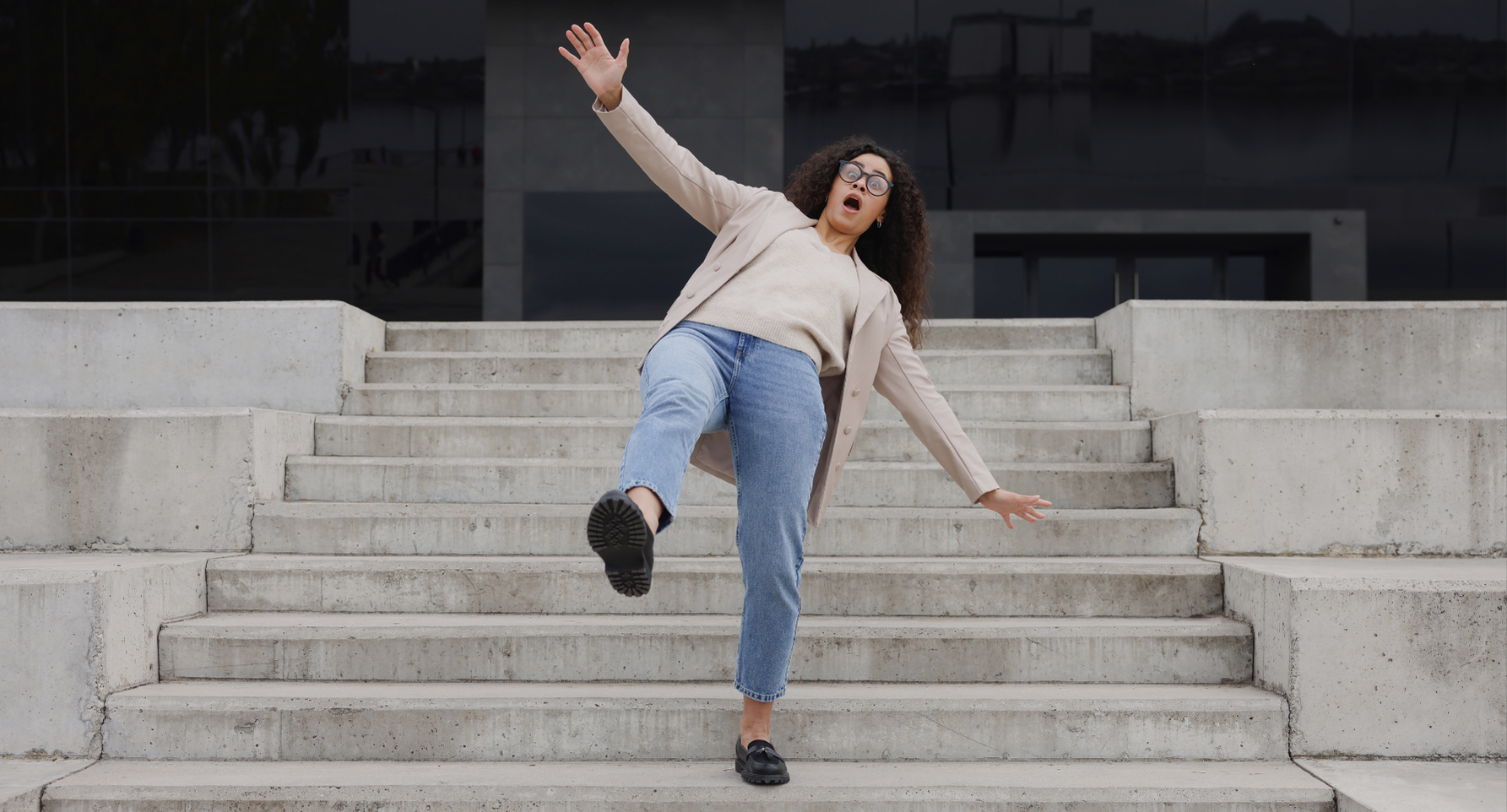
Falls are one of the most serious health risks facing older adults in the UK. They can lead to broken bones, loss of confidence, reduced independence and, in the most serious cases, life-changing injury. What many people don’t realise is that hearing loss is one of the most significant and treatable contributing factors.
At Meadows & Wood Hearing Care, it’s a connection we see regularly in clinic. Our patient health questionnaire asks specifically about dizziness, vertigo and balance as a routine part of every consultation, and those questions often open up conversations about falls that patients haven’t been able to have elsewhere.
The research
The evidence is substantial and growing. A landmark 2025 meta-analysis published in JAMA Otolaryngology reviewed 27 studies involving more than five million participants and found that people with hearing loss have a 51% greater likelihood of falling compared with those with normal hearing. Earlier research found the odds of falling were more than twice as high in older adults with untreated hearing loss.
Crucially, consistent hearing aid use has been associated with a 50% reduction in the odds of experiencing a fall. That’s not a minor benefit. For older adults and their families, it represents a meaningful shift in quality of life and long-term independence.
Why does hearing loss increase falls risk?
There are three well-established reasons for this connection.
- Environmental awareness. Sound gives us a constant stream of information about our surroundings. The crunch of gravel underfoot, the echo of a hard floor, the background noise that tells us a space is crowded. When hearing is reduced, we lose much of that spatial information, often without realising it.
- Spatial awareness. Hearing plays a significant role in our sense of where our body is in relation to the world around us. Reduced hearing can subtly affect our ability to judge distances and navigate unfamiliar spaces safely.
- Cognitive load. When the brain is working harder to process and interpret sound, it has fewer resources available for other tasks, including maintaining gait and balance. When hearing is treated effectively, that cognitive burden is reduced and the brain is free to manage both tasks well.
What this means in practice
At Meadows & Wood, our assessments go beyond a straightforward hearing test. It’s something patients often tell us they hadn’t expected, but are glad we asked.
If a hearing assessment identifies a loss that can be addressed with hearing aids, the benefits extend well beyond clearer conversations. Improved spatial awareness, reduced cognitive load and a significantly lower falls risk are all part of the picture.
Taking the first step
If you’ve experienced unexplained dizziness, had a fall, or have been putting off addressing changes in your hearing, we’d encourage you to book a consultation with our team. Our clinics in Weston-super-Mare, Portishead, Shirehampton and Clevedon are available by appointment, and our Worle clinic welcomes walk-in visitors too.
Call us on 01934 248426, we are here to help.