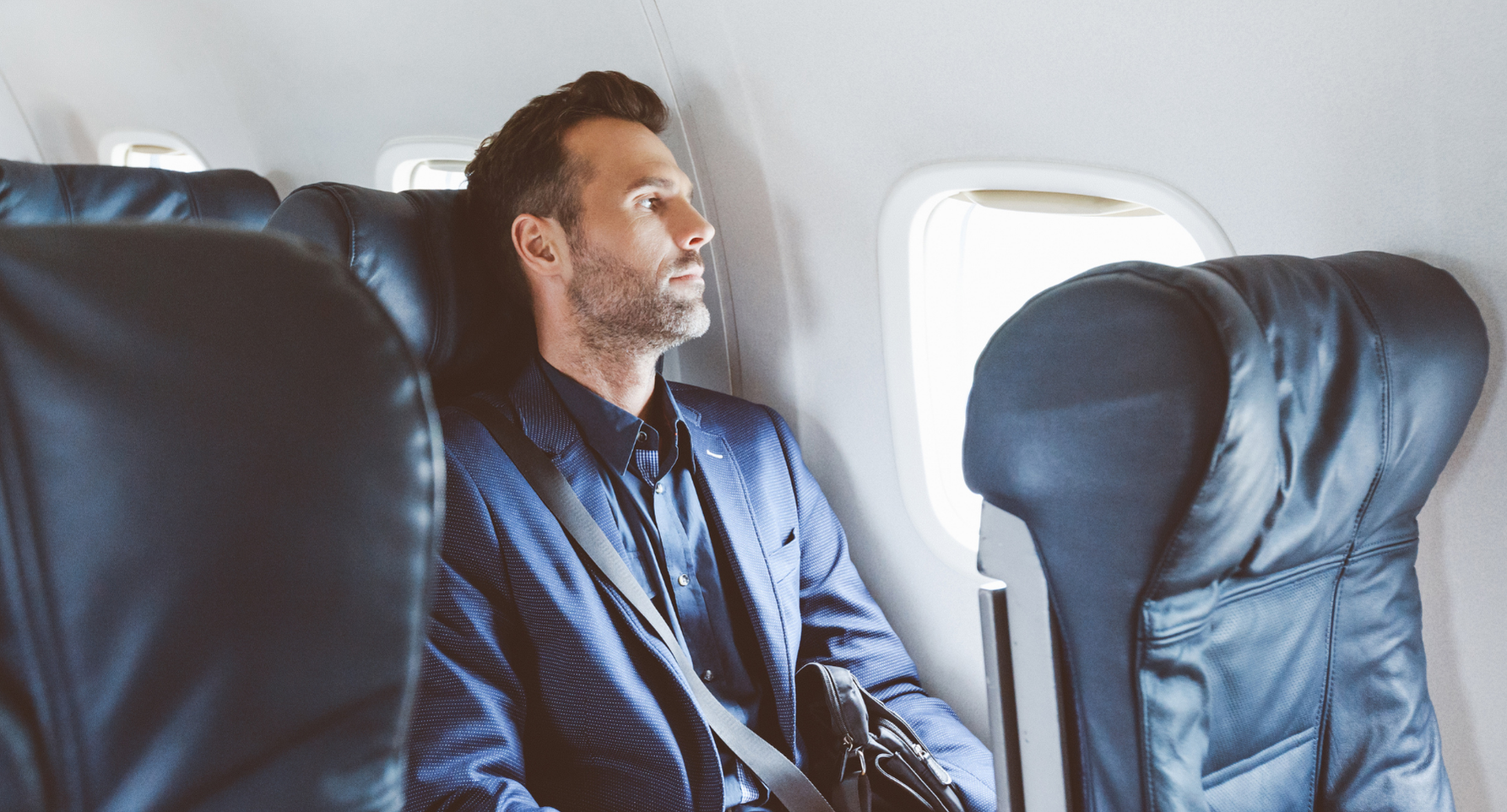
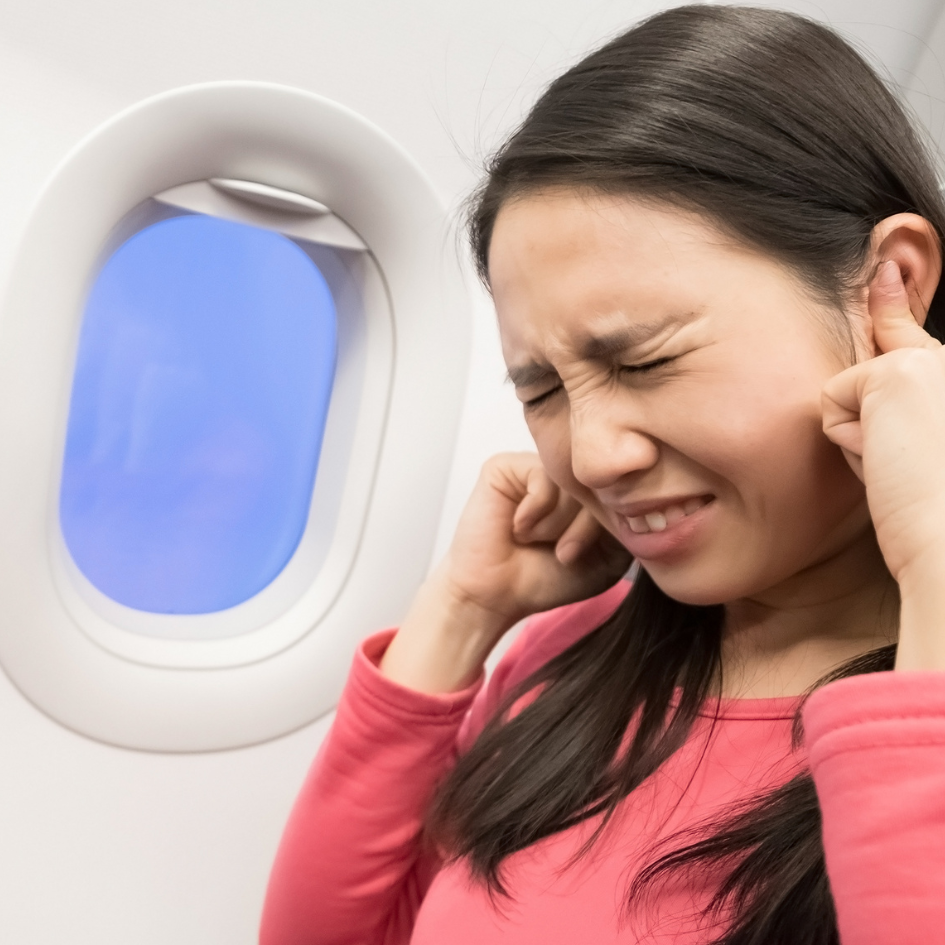
Many people notice discomfort, pressure, or muffled hearing during flights especially during landing. This happens because the air pressure around you changes faster than your ears can adjust. For most people it’s mild, but for some it can be very painful.
This guide explains why it happens and what you can do to prevent it.
Why Your Ears Hurt on a Plane
Inside your ear is a small air‑filled space called the middle ear. It connects to the back of your nose via a tiny channel called the Eustachian tube. This tube’s job is to keep pressure equal on both sides of your eardrum.
During take‑off and landing, air pressure changes quickly. If the Eustachian tube can’t open easily, pressure builds and the eardrum is pulled inward, causing:
- Ear pressure or pain
- Muffled hearing
- Crackling or popping
- Temporary dizziness
This is sometimes referred to as airplane ear or barotrauma, and it is more common than many people realise.
Who Is More Likely to Experience It?
Some people are more prone to airplane ear than others. Those with hay fever, allergies, a cold, or sinus congestion often struggle because the Eustachian tube becomes inflamed or blocked. People with a history of ear infections, Eustachian tube dysfunction, or narrow Eustachian tubes may also find it harder to equalise pressure naturally. Even mild congestion can make a significant difference to how your ears cope in the air.
 A Note for Travelling with Children
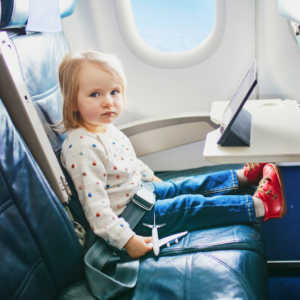
Children’s Eustachian tubes are smaller and more easily blocked, so they can be particularly prone to ear discomfort during flights. Encouraging a drink or using a dummy during take-off and landing promotes swallowing and helps equalise pressure naturally. Chewing or swallowing during descent works well for older children. An Otovent balloon device, designed specifically for children, can be helpful if recommended by a healthcare professional.
How to Prevent Ear Pain When Flying
These simple steps can make flying much more comfortable:
-
Start early, don’t wait for pain. Begin equalising your ears before the plane starts descending.
-
Swallow, yawn, or sip water regularly. These movements help the Eustachian tube open.
-
Try the Valsalva manoeuvre (gently). Pinch your nose, close your mouth, and blow gently until your ears pop. Repeat every few minutes during descent.
-
Consider a nasal decongestant spray. Using one 20–30 minutes before landing may help if you’re congested or prone to allergies. (Always follow the instructions on the product.)
-
Stay awake for landing. If you’re asleep, you won’t swallow and pressure can build quickly.
-
Keep well hydrated. Dry air on planes can make the Eustachian tubes less responsive.
When to Seek Help
Most cases of airplane ear resolve on their own within a day or so, but it is worth seeking advice if symptoms persist. Contact a hearing specialist or your GP if you experience:
- Ear pain lasting more than 24–48 hours
- Persistent muffled hearing
- Fluid or discharge from the ear
- Severe pain during every flight
- Symptoms only on one side
A simple hearing test and tympanogram can check how well the ears are equalising and rule out any underlying issues with middle ear function.
How Meadows & Wood Can Help
At Meadows & Wood Hearing Care, our audiologists can assess Eustachian tube function, investigate any underlying conditions that may be making flying uncomfortable, and offer personalised advice to help you travel with confidence. If flying has been causing you problems, or if you have noticed any changes in your hearing, we would be happy to help.
Call us on 01934 248426 or book a consultation online now to find out more.